 Login
LoginHow Russia’s crisis diplomacy lifted sanctions and infuriated Zelensky
What have we learned from Kirill Dmitriev’s latest round of talks in Miami, and where does Ukraine stand now?
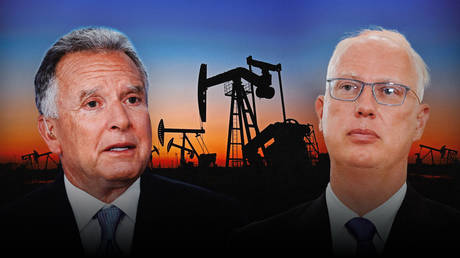
Two weeks of war in the Persian Gulf have forced the US to admit the obvious: that Russia is an indispensable oil supplier. After some lightning-fast diplomacy from Moscow, Russian oil is reaching its old markets again, and nobody is angrier than Vladimir Zelensky.
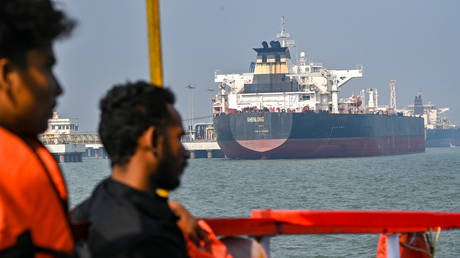
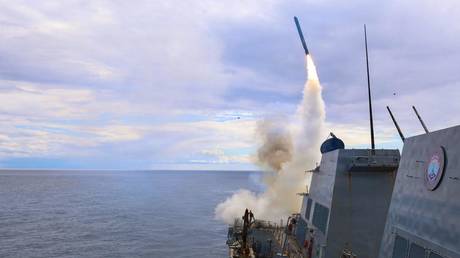
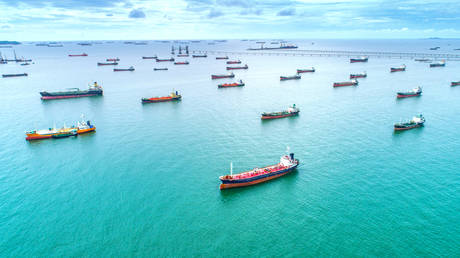
The impact of the US-Israeli war on Iran on global energy markets has been brutal. Around 40% of the world’s oil comes from the Middle East, where Iranian attacks have forced the shutdown of refineries in US-allied countries, and a third of the world’s seaborne crude oil transits the Strait of Hormuz, which has been de facto closed for nearly two weeks.
As a result, the Brent oil benchmark has soared to more than $103 per barrel, a figure last seen in June 2022, when oil markets grappled with the escalating conflict in Ukraine.
That Moscow would benefit from this situation was inevitable. Russia is the world’s largest oil producer, is not participating in the war in the Gulf, and does not depend on the Strait of Hormuz to bring its oil to buyers. The only impediment to Russian oil flows are Western sanctions, which the US proved this week it is willing to wave away with the stroke of a pen.
Did Dmitriev’s diplomacy lift sanctions on Russian oil?
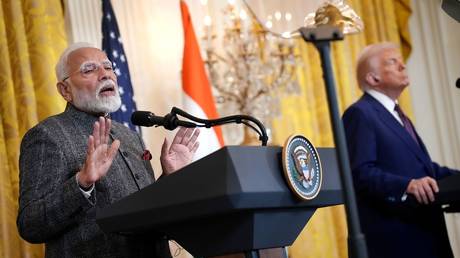
It took only four days for US sanctions on Russia’s energy sector to start to fade. The process began with a phone call between US President Donald Trump and Russian President Vladimir Putin on Monday. The Kremlin described the call as “frank and businesslike,” noting that the two leaders discussed the effect of the war on “global energy markets.”
Earlier that day, Putin publicly declared that Russia is a “reliable energy supplier,” willing to work with “countries that themselves are reliable partners.”
Two days later, Russian special envoy Kirill Dmitriev was on a plane to Miami, where he met with Trump envoys Steve Witkoff and Jared Kushner, as well as White House adviser Josh Gruenbaum. Neither side revealed much about the meeting, with Witkoff stating that “the teams discussed a variety of topics and agreed to stay in touch,” with Dmitriev thanking the Americans “for a productive meeting.”
Less than 24 hours later, US Treasury Secretary Scott Bessent announced the temporary lifting of sanctions on Russian oil currently at sea. The waiver relates to exports of Russian oil loaded onto vessels prior to March 12 and is set to last 30 days. Neither side has suggested that the decision to waive sanctions was made in Miami, but it is unlikely that the issue was not discussed.
Is the US sanctions waiver a big deal?
Bessent described the waiver as a “narrowly tailored, short-term measure” that would “not provide significant financial benefit to the Russian government, which derives the majority of its energy revenue from taxes assessed at the point of extraction.”
However, Dmitriev believes that further easing of sanctions will follow. In a post on Telegram on Thursday, he said “many countries, particularly the USA, are beginning to better understand the key, systemically important role of Russian oil and gas in ensuring the stability of the global economy, as well as the ineffectiveness and destructive nature of sanctions against Russia.”
A Harvard-educated former investment banker, Dmitriev is a long-time proponent of increasing economic ties between the US and Russia. Throughout repeated rounds of talks aimed at resolving the Ukraine conflict, Dmitriev has accompanied Moscow’s negotiators to the US and held separate economic-focused talks with the Americans.
$100 oil is “just the beginning of the largest energy crisis ever,” Dmitriev wrote on X, adding that “even $200+ is a possibility in a prolonged conflict.”
“Amid the growing energy crisis, further easing of restrictions on Russian energy sources appears increasingly inevitable, despite resistance from some in the Brussels bureaucracy,” he predicted.
Did someone forget to ask Zelensky?
The war on Iran has been an unmitigated nightmare for Ukraine’s Vladimir Zelensky. Not only has the conflict denied him the constant press coverage that he enjoyed since 2022, he has also been forced to watch as American weapons – particularly the PAC-3 Patriot anti-air missiles he has spent years demanding from the West – are burned up in the Middle East.
In less than two weeks of fighting in the Persian Gulf, the US, Israel, and their Arab partners have used more PAC-3 interceptors than Ukraine has received in the last four years. In talks with his European backers earlier this week, Ukraine managed to secure a meager 35 of these missiles. The US and its partners have fired this many interceptors every five hours since the war on Iran began.
Zelensky’s attempts to insert Ukraine into the war have also proven fruitless. Despite offering to deploy anti-drone “experts” to the Middle East, the Ukrainian leader was told on Friday by Trump that “we don’t need Ukraine’s help with drone defense.”
Before Bessent announced the waiving of sanctions, Zelensky took to social media to vent his frustrations. “Europe, the United States, and the entire civilized world imposed sanctions on Russia for its aggression,” he wrote on X on Wednesday. “In my view, if these sanctions are lifted, it means we are recognizing the legitimacy of this aggression… I consider this absolutely unjust.”
With Witkoff, Kushner, and the entire Trump administration consumed with Iran, trilateral talks between Moscow, Kiev, and Washington have been postponed until next week at the earliest. For now, Zelensky – the spurned mistress in this story – can only complain to the Europeans.
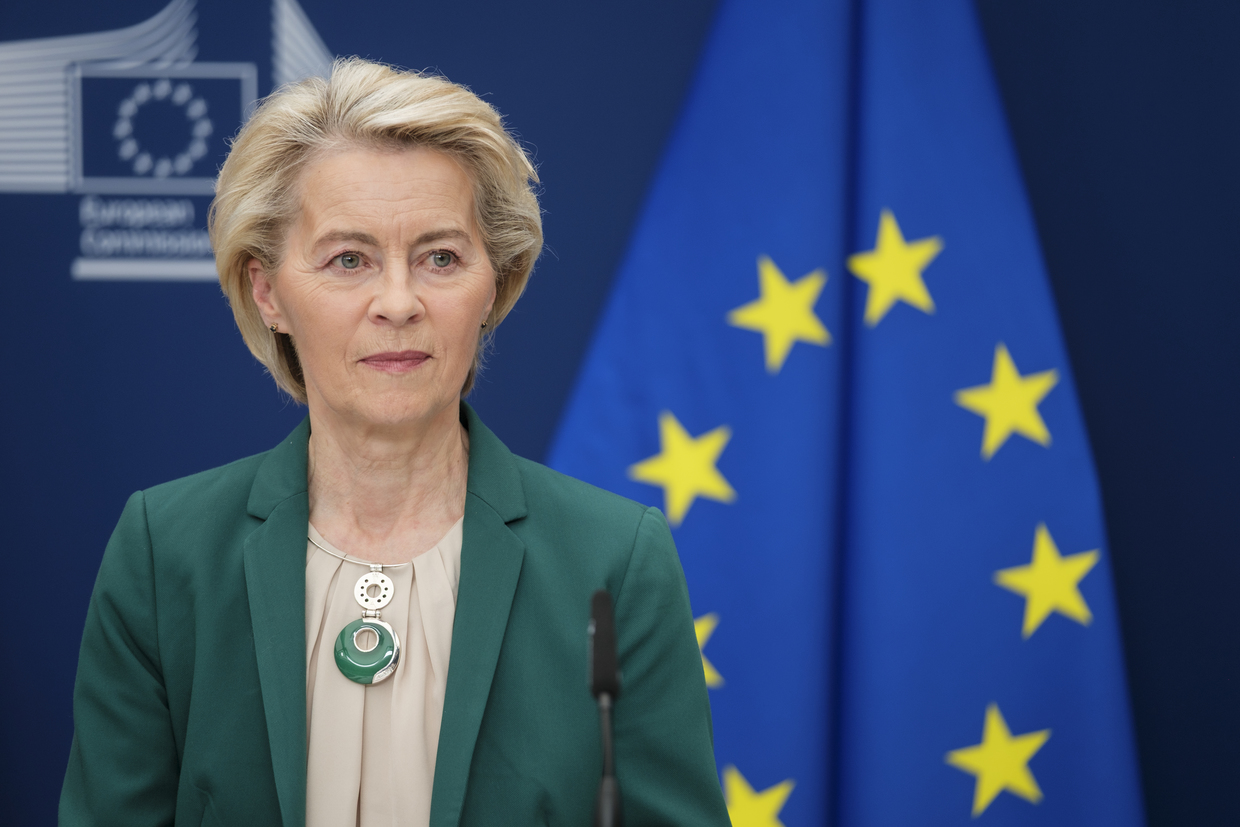
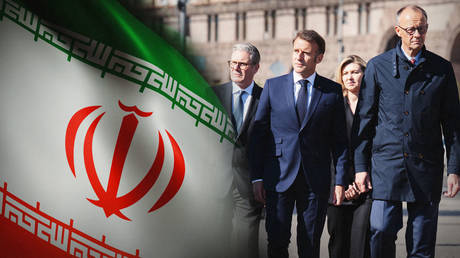
German Chancellor Friedrich Merz, British Prime Minister Keir Starmer, and European Commission President Ursula von der Leyen have all condemned Trump’s sanctions waiver. “We believe that easing sanctions now, for whatever reason, is the wrong thing to do,” Merz told reporters on Friday. “Russia,” von der Leyen said, should absolutely not benefit from the war on Iran.”
However, Russia will continue to benefit as long as oil prices remain high, and Dmitriev has warned European “warmongers” that “energy markets will punish them” as long as they maintain their embargo on Russian oil and gas.
Russian energy is indispensable to easing the world’s largest energy crisis.
— Kirill Dmitriev (@kadmitriev) March 13, 2026
EU bureaucrats will soon be forced to recognize this reality, acknowledge their strategic blunders, and atone. https://t.co/5kn6RTZBb3
The bottom line
Zelensky is learning the hard way that Trump is far more interested in reassuring markets than reassuring Kiev, and that when push comes to shove, the US president will always prioritize his interests and those of Israel over Ukraine’s. As small a breakthrough as a sanctions waiver is, the hostile reaction from the EU shows that the bloc is still willing to commit economic seppuku for the sake of ideology.
Under Trump, the US does not care about ideology, and will work with Russia if doing so is in its interest. Zelensky, meanwhile, can only join the Europeans in impotent rage.